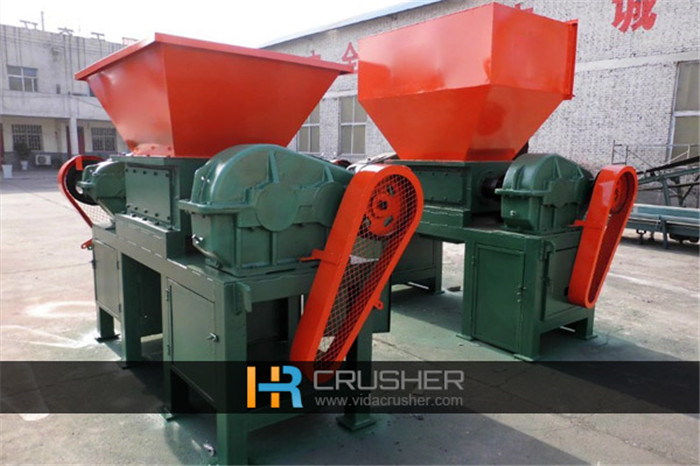
Operating Tips, Maintenance and Common Fault Handling of the Plastic Crusher
Safe Setup Before Start-Up
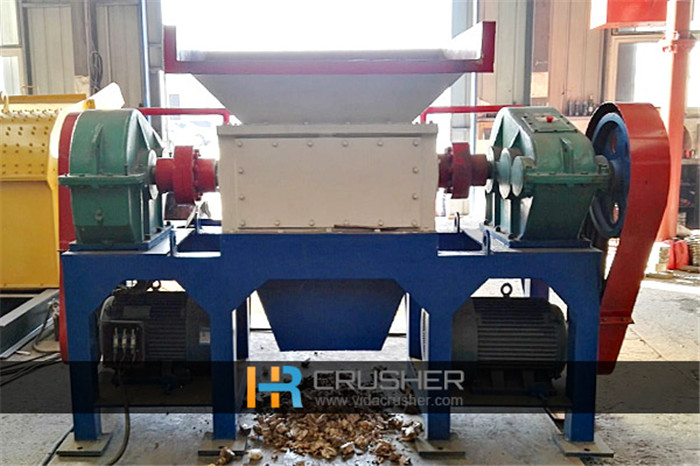
The plastic crusher should be placed steadily on a flat, ventilated surface and never rested on other objects, so that it does not tilt or shift during operation. A well-ventilated position also keeps the motor cool and helps extend service life. Before starting, turn the pulley by hand to check that the cutter holder moves flexibly and reliably, that there is no collision inside the crushing chamber, and that the rotation direction matches the arrow marked on the machine. After start-up, let the machine idle for one to two minutes, and only begin feeding once no abnormal noise or vibration appears.
Feeding and Daily Operation
Material should be fed at a uniform speed. Do not add too much at one time, as this can block the crushing chamber. For plastics with good toughness and elasticity, the feed amount must be controlled more strictly; otherwise the blades are easily stuck and the motor may be overloaded or even burned out. Metal and other hard objects must never enter the machine, and prolonged overloaded running should be avoided. If vibration, unusual noise, or an excessive temperature on the bearing or motor is noticed during crushing, stop the machine immediately for inspection.
Routine Maintenance
Before starting the crusher a second time, clean the remaining debris from the crushing chamber. This reduces resistance at motor start-up and helps protect the equipment. The dust outlet under the flange should be cleaned regularly to prevent discharged powder from entering the bearings. When the machine has been in use for a long period, add lubricating oil in time to reduce bearing wear. Check the belt for slack on a regular basis and tighten or adjust it when necessary. The gap between the moving and fixed knives should also be checked and adjusted periodically, along with the blade fastening bolts, to prevent loosening. The sharpness of the cutters should be examined too; dull blades should be sharpened or replaced promptly to avoid jamming the machine.
Common Faults and Solutions
Two problems call for close attention in everyday operation:
· Blade stuck with a buzzing motor sound: press the emergency stop button (red) immediately to protect the motor, then cut off the input power. Loosen the fixing screws of the upper box and the screen tray, open the cutting chamber, remove the screen, and turn the blade manually in the reverse direction to clear the debris inside.
· Vibration, noise, or bearing/motor overheating during crushing: stop the machine at once and carry out testing and inspection, so that unnecessary damage to the equipment can be prevented.
Main wearing parts include the moving knife, fixed knife, V-belts, bearings, and the comminution main shaft. Keeping these parts in good condition and replacing them in time helps maintain stable crushing performance over the life of the machine.
Product List
Metal Crusher
shredder machine
Stone Crusher
Plastic Crusher
Wood Crusher
E-Waste Scrap Shredder